
Events/MSE 2026
MSE 2026 · Darmstadt · 29 Sep – 1 Oct 2026
From classical to modern: deep learning for metals and alloys
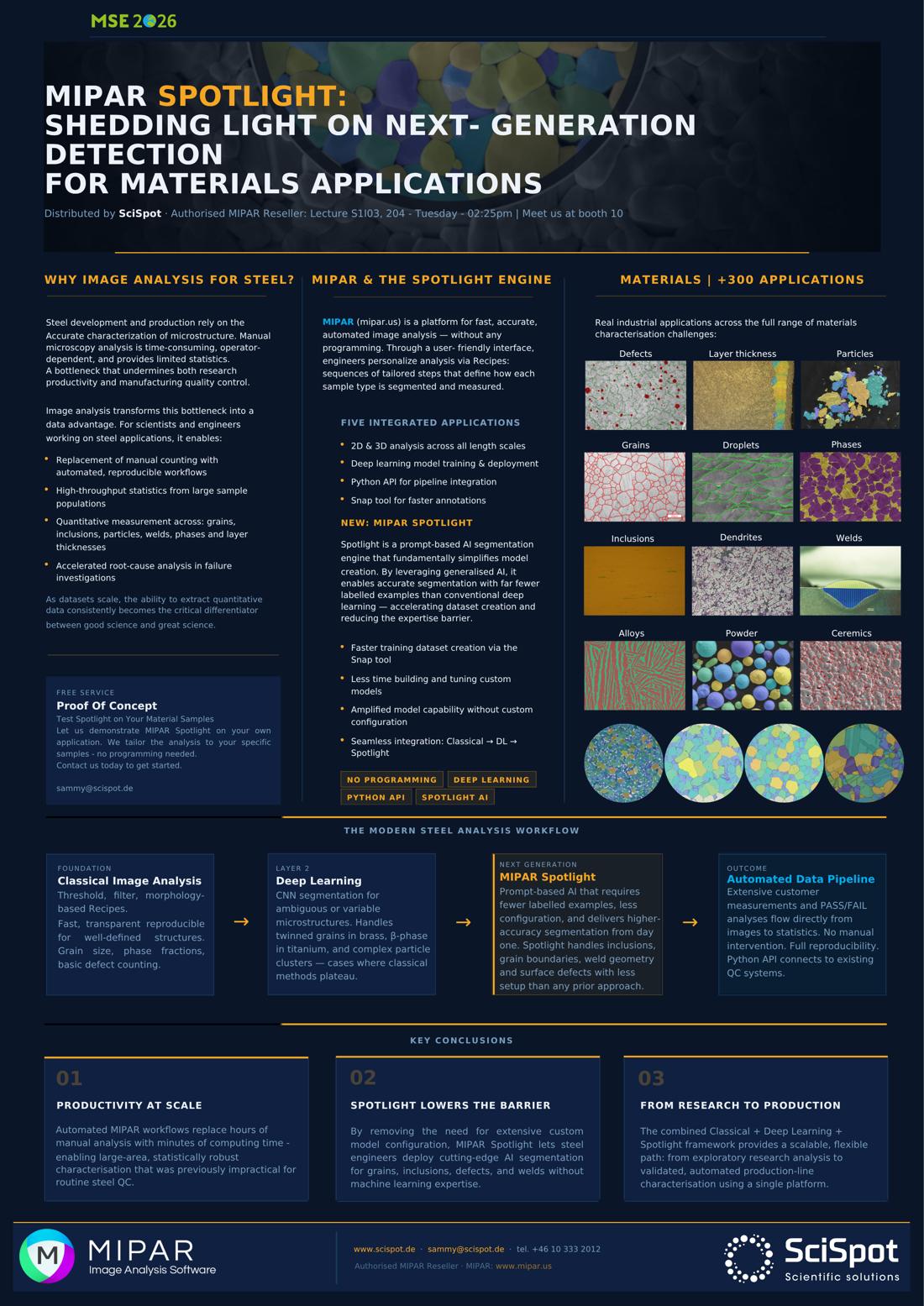
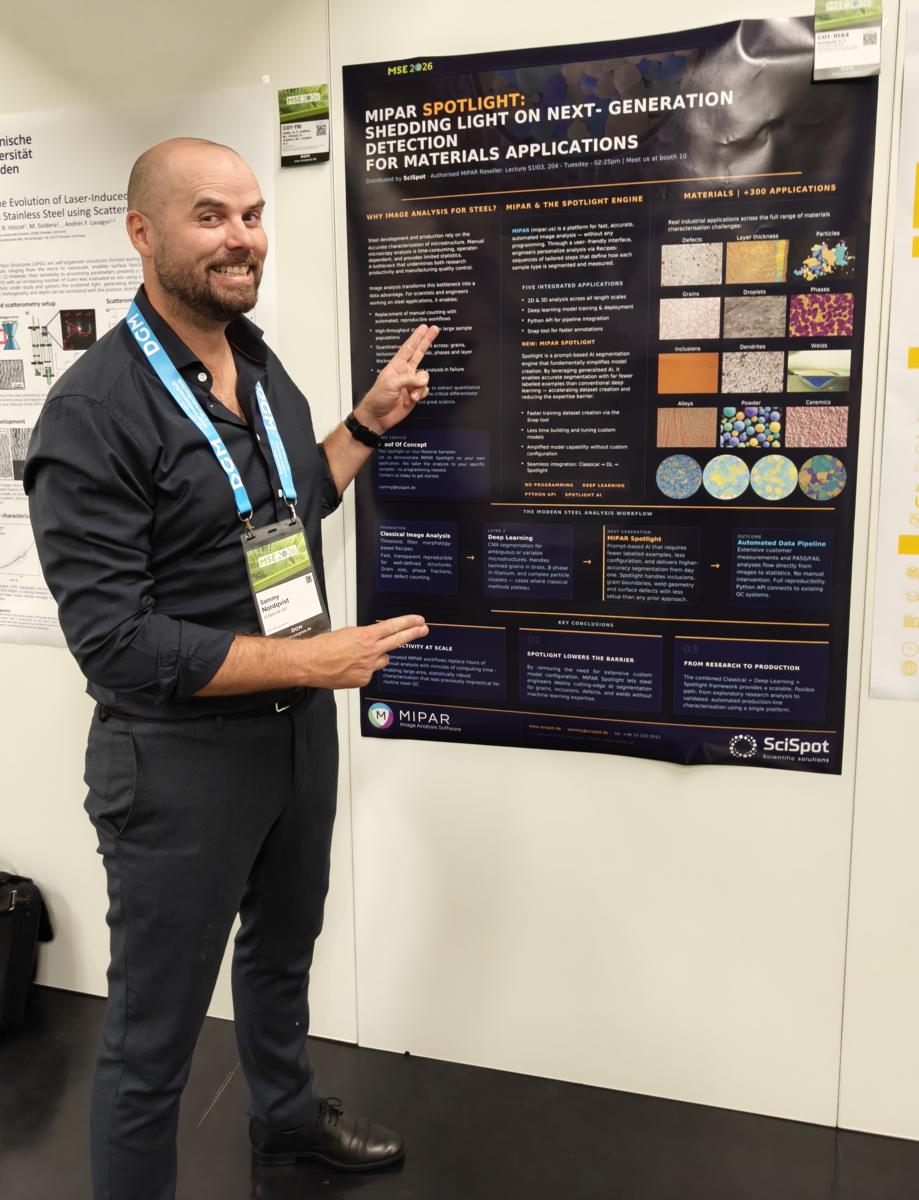
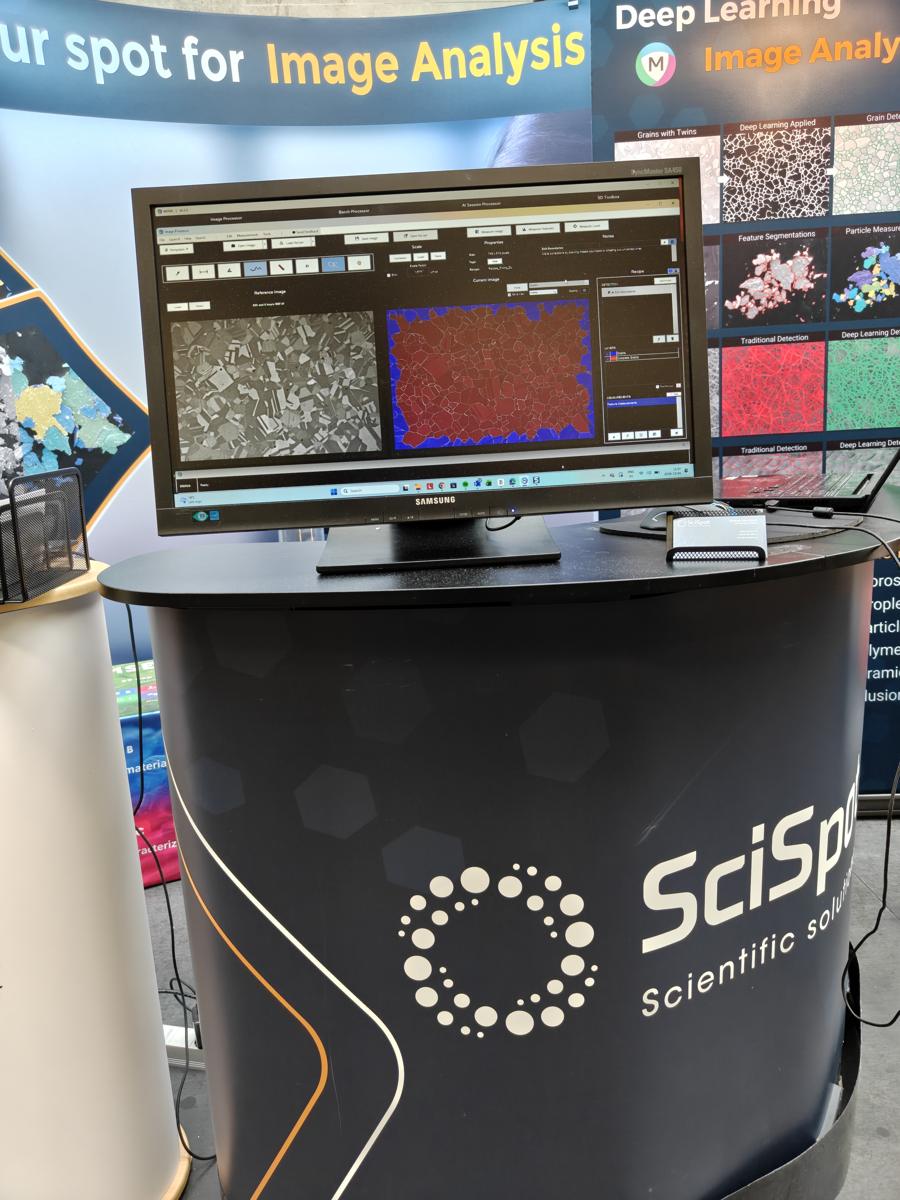
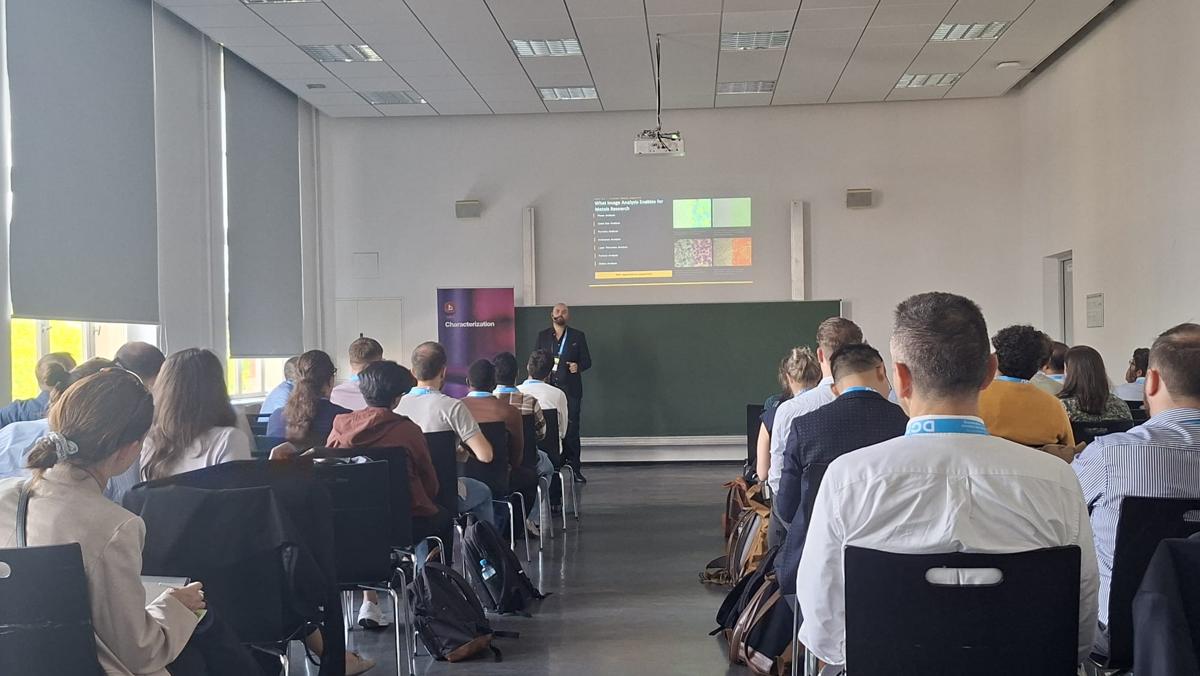
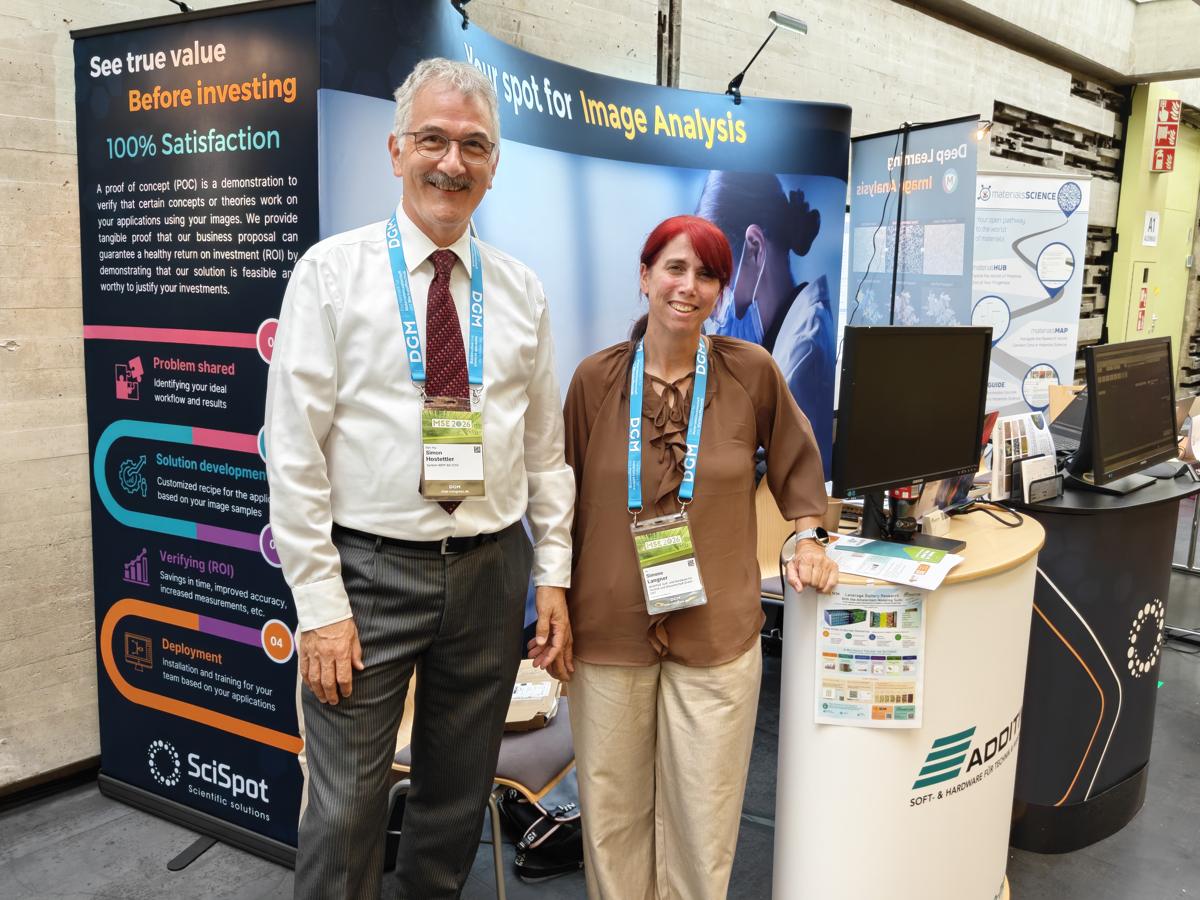
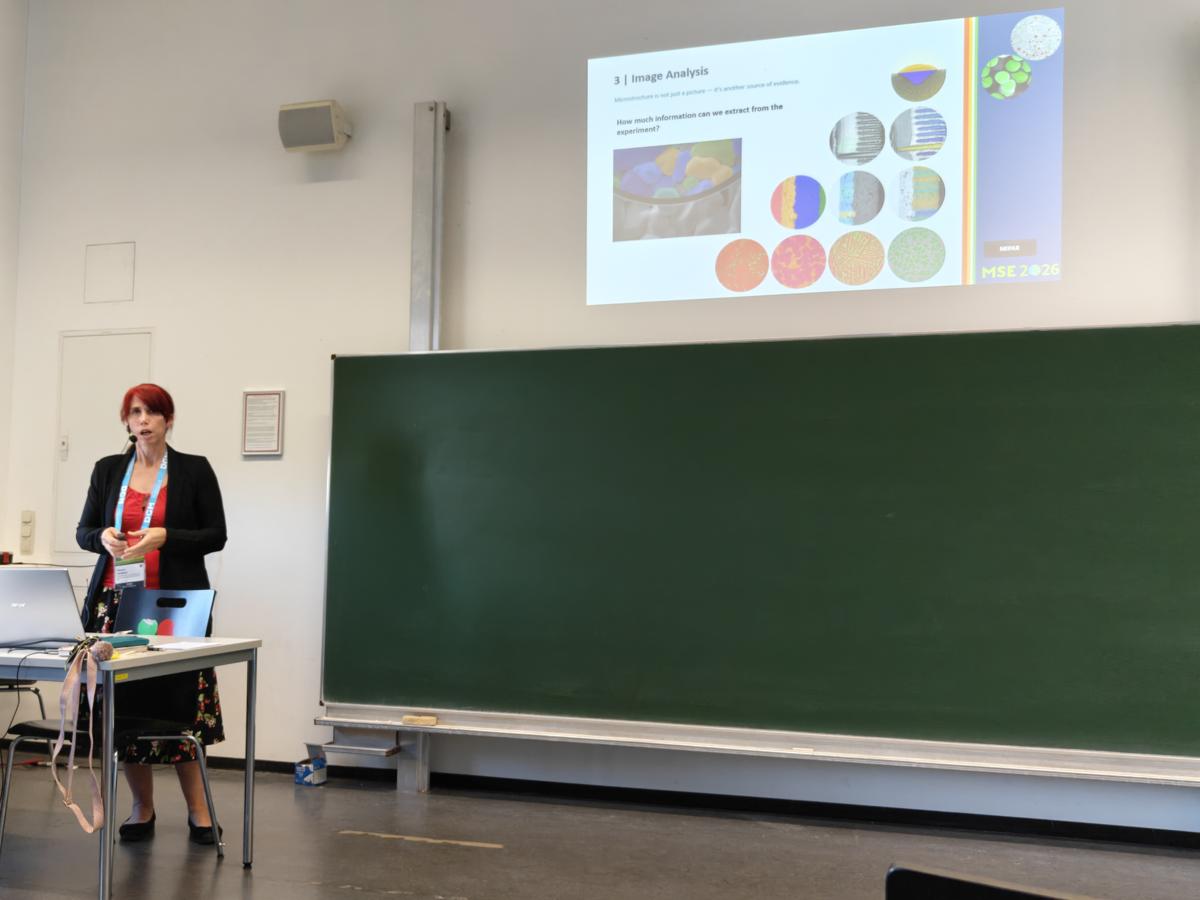
At MSE 2026 we walked the room through four stages of microstructure analysis, from grey-value thresholds to deep learning and prompt-based AI, using real images of brass, titanium, steel welds and powders. Our partner ADDITIVE gave a second lecture, and between sessions we ran live demos at the booth we share with them.
What we showed
On stage
The lecture followed one argument in four steps.
- Classical image analysisThe established pipeline of acquire, pre-process, threshold, measure and report. It works on high-contrast, well-prepared samples and struggles with twins, overlapping phases, noise and operator bias.
- Deep learning in actionTwo case studies: twinned grains in brass and beta grains in titanium, both measured automatically where classical thresholding fails.
- AI and SpotlightPrompt-based segmentation. Click a feature and Spotlight finds every similar one. A small network trained on 2–3 annotated images can drive the prompts on its own.
- The modern approachClassical tools, deep learning and Spotlight combined in one no-code recipe, with batch processing and reports.
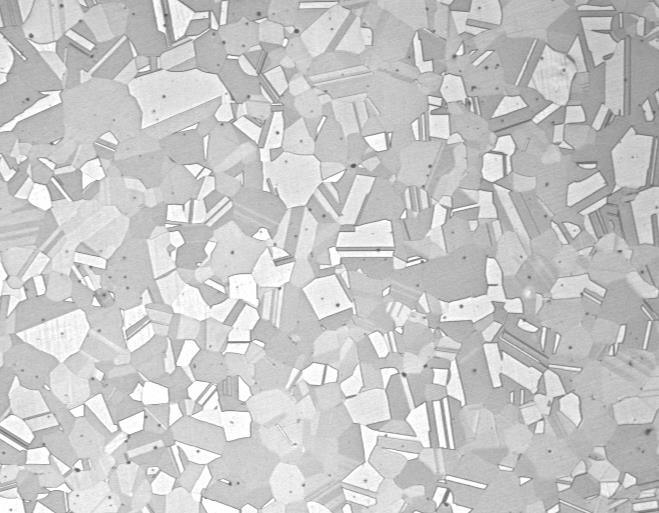
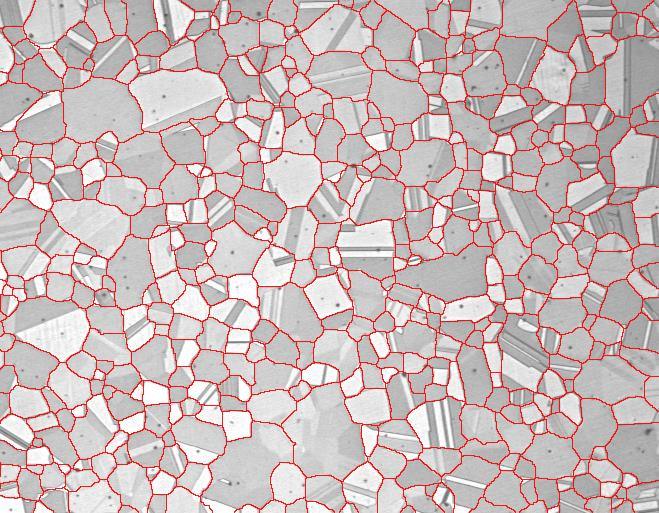 OriginalAnalysed
Twinned grains in brassDeep learning finds the real grain boundaries and ignores the twins. The grain map is ready for an ASTM E112 measurement.
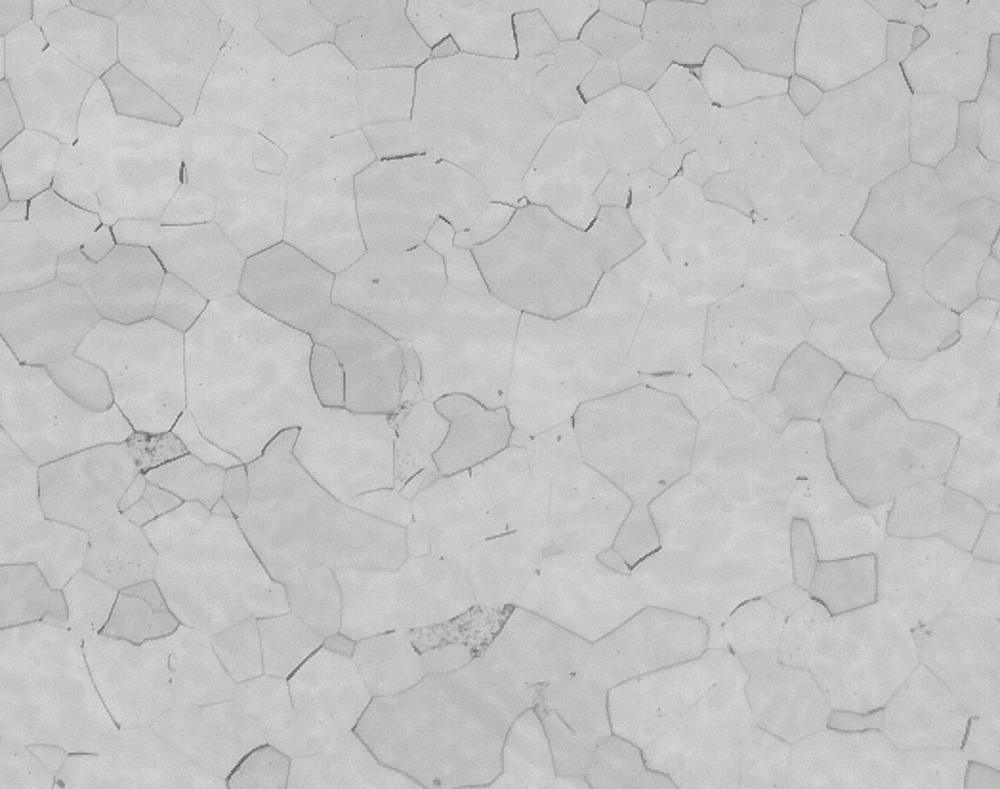
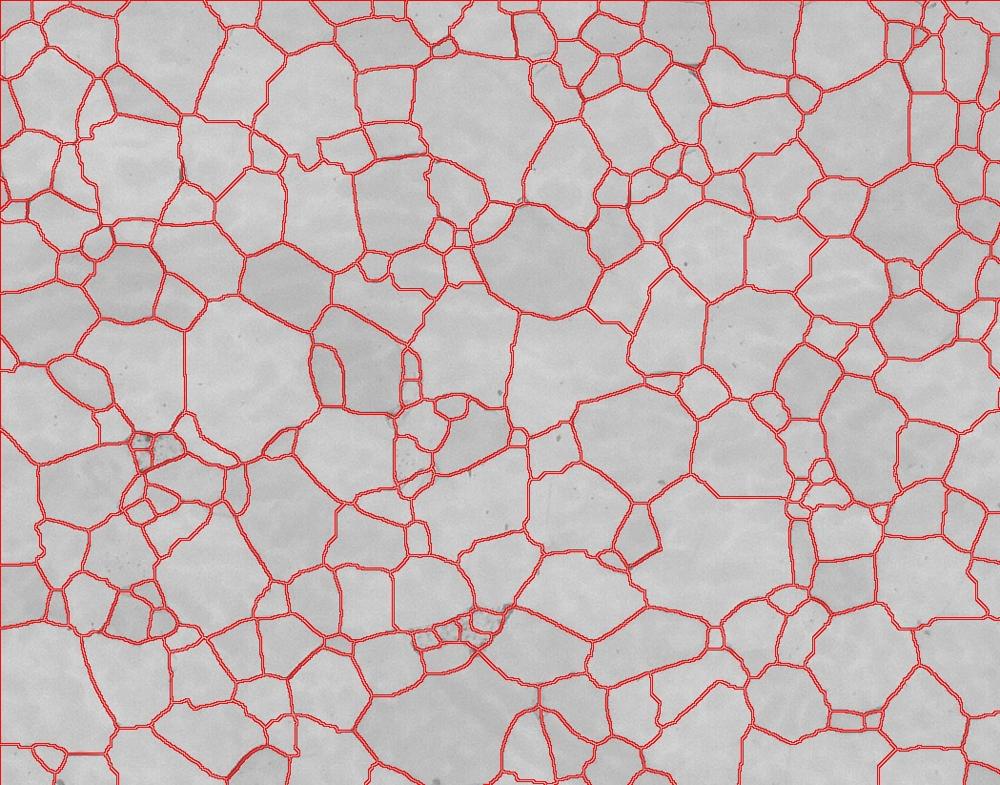 OriginalAnalysed
Beta grains in titaniumThe contrast between neighbouring beta grains is almost invisible. Deep learning still finds the boundaries and gives the full size distribution.
 OriginalAnalysed
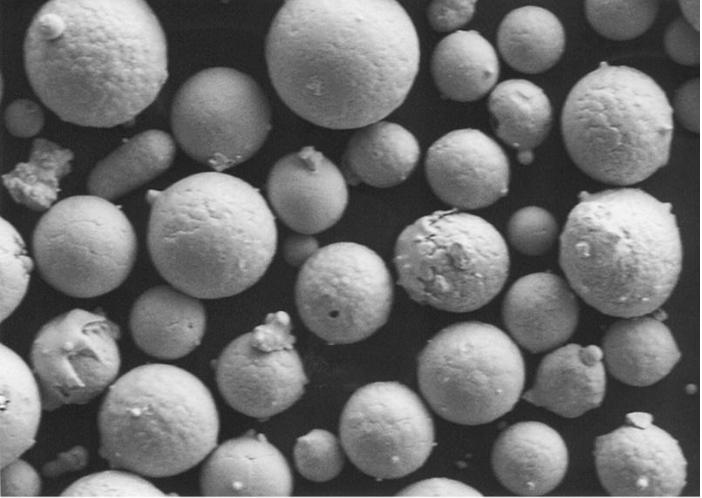
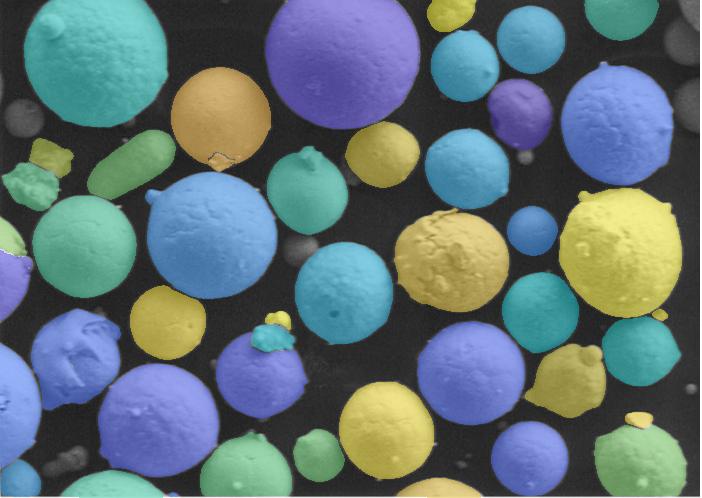
Powder particlesSpotlight separates touching spheres and gives every particle its own size and shape.
 OriginalAnalysed
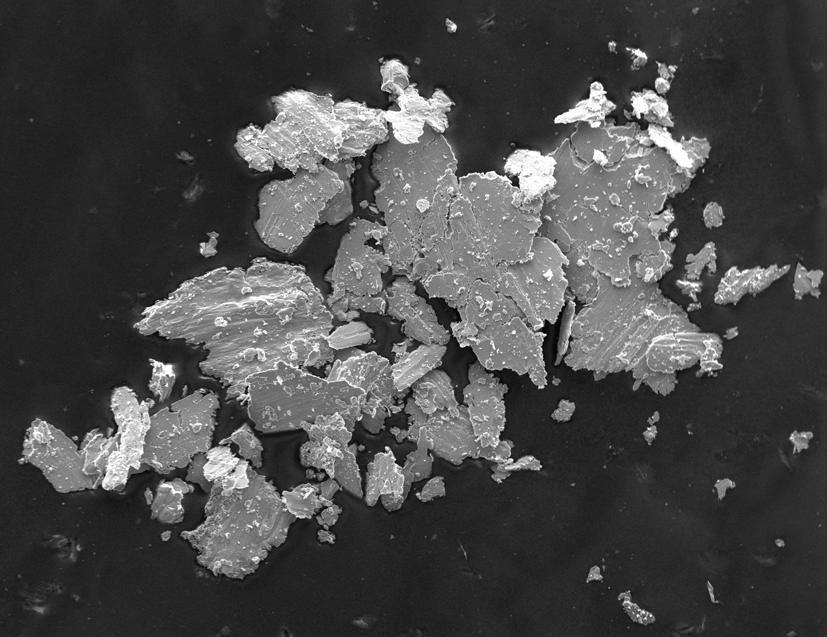
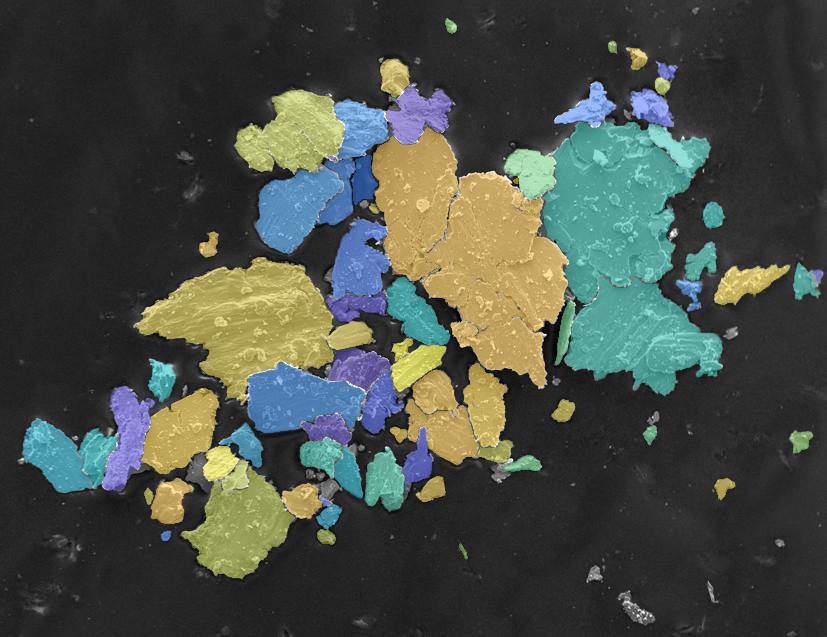
Particle clustersIrregular, overlapping particles split into single objects without a hand-tuned threshold.
 OriginalAnalysed
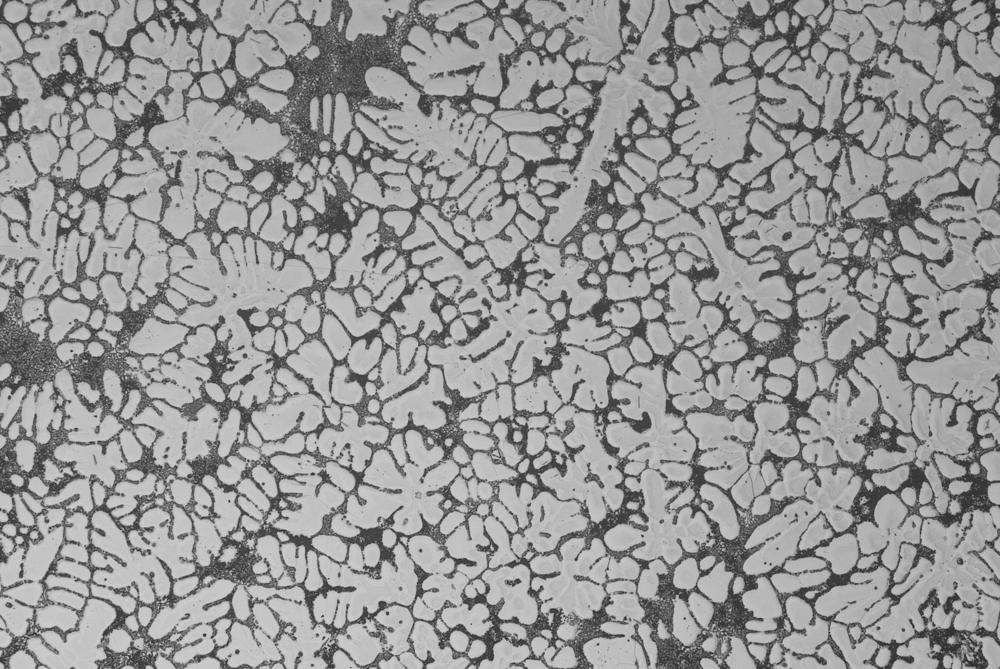
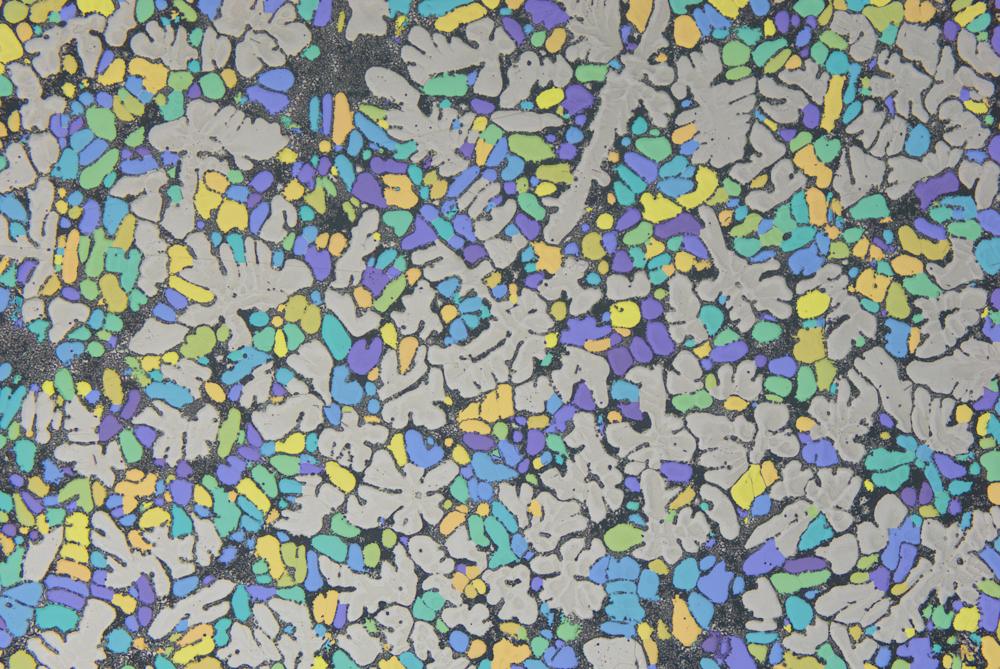
Dendrites and phasesEvery dendrite arm is detected and coloured, ready for phase fraction and spacing.
 OriginalAnalysed
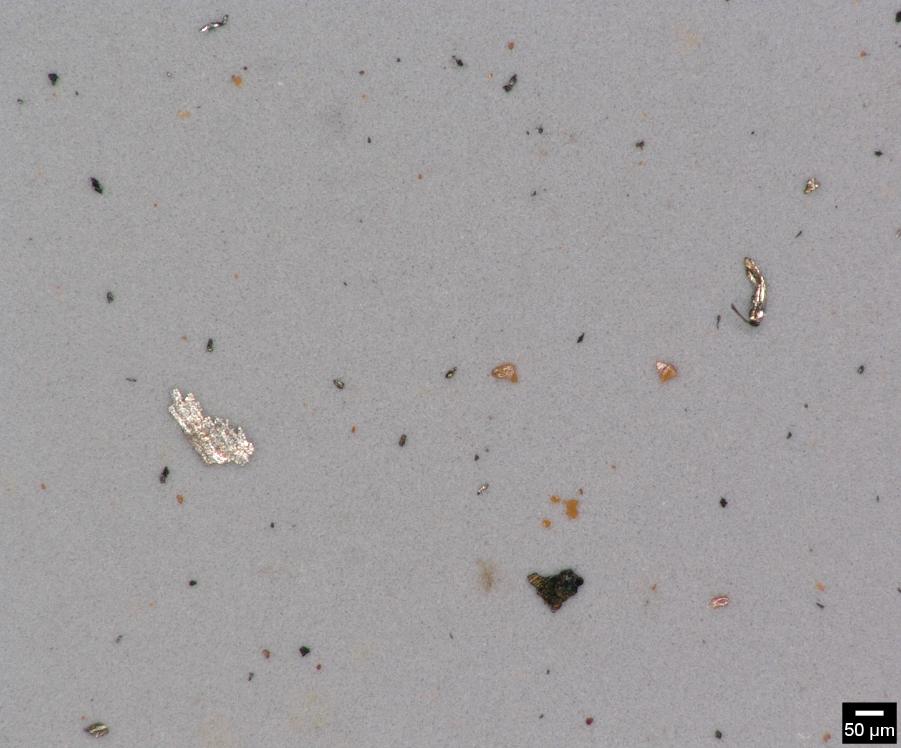
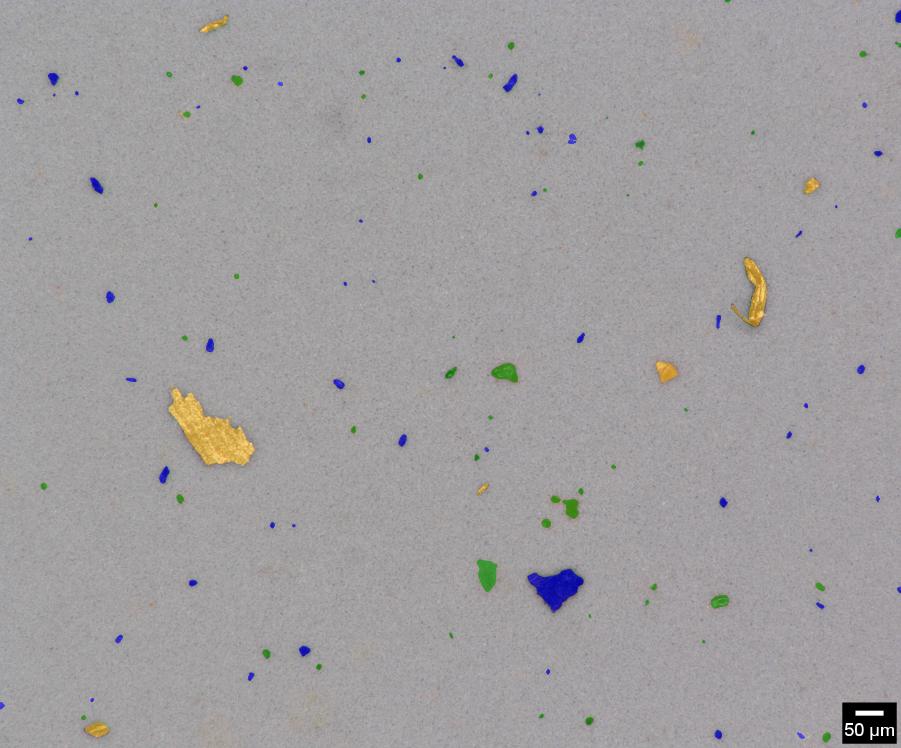
Contaminants on a filterParticles are found and classified by type: dark, gold and copper.
Takeaways
What changes when AI enters the workflow
Read the abstract as submitted
AI-Enabled Image Analysis for Quantitative Microstructural Characterization
Recent advances in machine learning are redefining how material microstructures are decoded from imaging data. As modern microscopy techniques generate increasingly complex and high-volume datasets, traditional manual and semi-automated analysis methods struggle to deliver the throughput, consistency, and statistical robustness required for reliable microstructural interpretation. AI-driven image analysis is emerging as a critical enabler for extracting quantitative insight from microstructures, allowing researchers to more effectively link grains, phases, and defects to material performance.
This presentation examines how deep-learning-enabled image analysis workflows can accelerate and standardize microstructural characterization across a range of materials systems. Using MIPAR as an example, we demonstrate how no-code, recipe-based pipelines support common yet challenging tasks such as grain size and shape analysis with twin boundary exclusion, phase segmentation in multiphase materials, crack and pore detection, and quantitative assessment of defect morphology and distribution. The integrated Spotlight deep learning engine enables efficient generation of training datasets directly from microstructural images, facilitating rapid development of accurate segmentation models without the need for custom algorithms or manual parameter tuning.
Through representative case studies, we highlight how precise segmentation and feature extraction improve statistical confidence and enable higher-throughput microstructural analysis. These examples illustrate how accessible AI-powered tools are helping to decode complex microstructures more reliably, supporting process optimization, failure analysis, and the broader transition toward data-driven materials characterization and design.
About the congress
MSE 2026, Materials Science and Engineering Congress
MSE is Germany's leading international congress for materials science and engineering. It takes place every two years in Darmstadt and covers biomaterials, characterisation, digital transformation, functional and circular materials, modelling and simulation, processing and structural materials.
Visit mse-congress.de →- Organiser
- DGM, German Materials Society
- Dates
- 29 September – 1 October 2026
- Place
- Darmstadt, Germany, and online
- Size
- Usually more than 1,200 participants
Try it on your own images
Send us a few images and we will run a free proof of concept, the same analysis we show on stage, on your samples.


